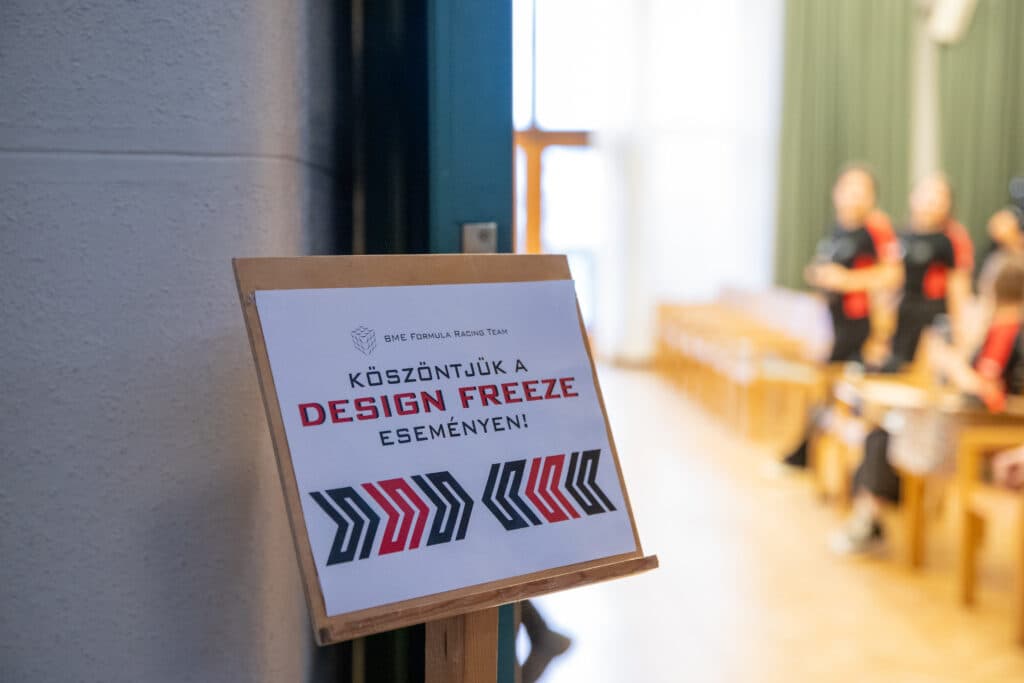
We have unveiled the plans for our 2025 race car!
On March 14, our 2025 Design Freeze event was held, during which the plans for this year's race car, codenamed FRED-004, were presented.
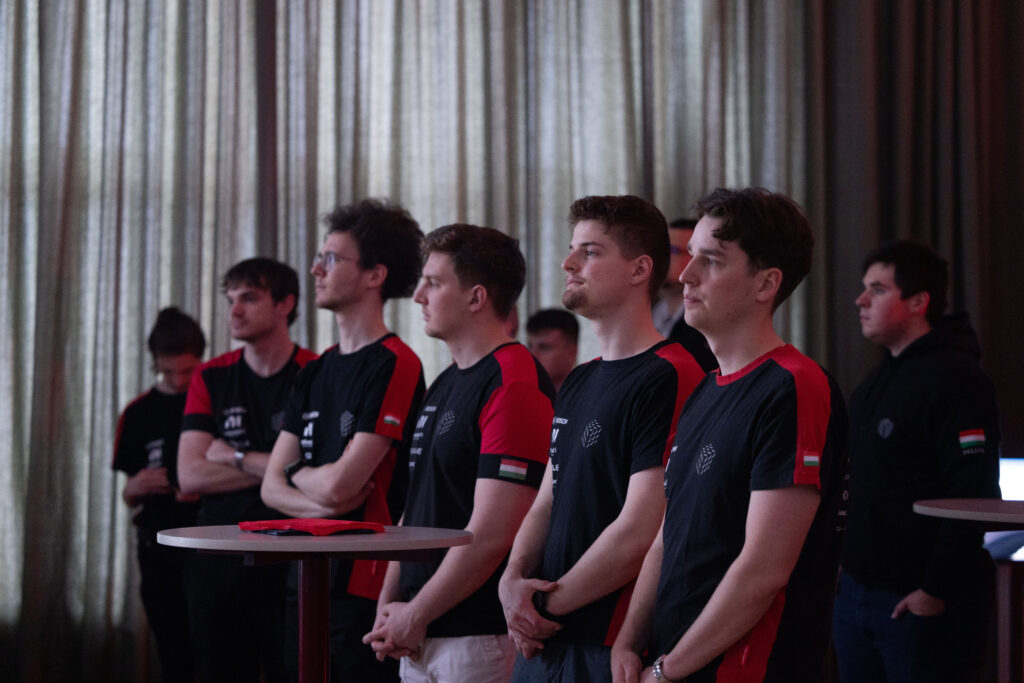
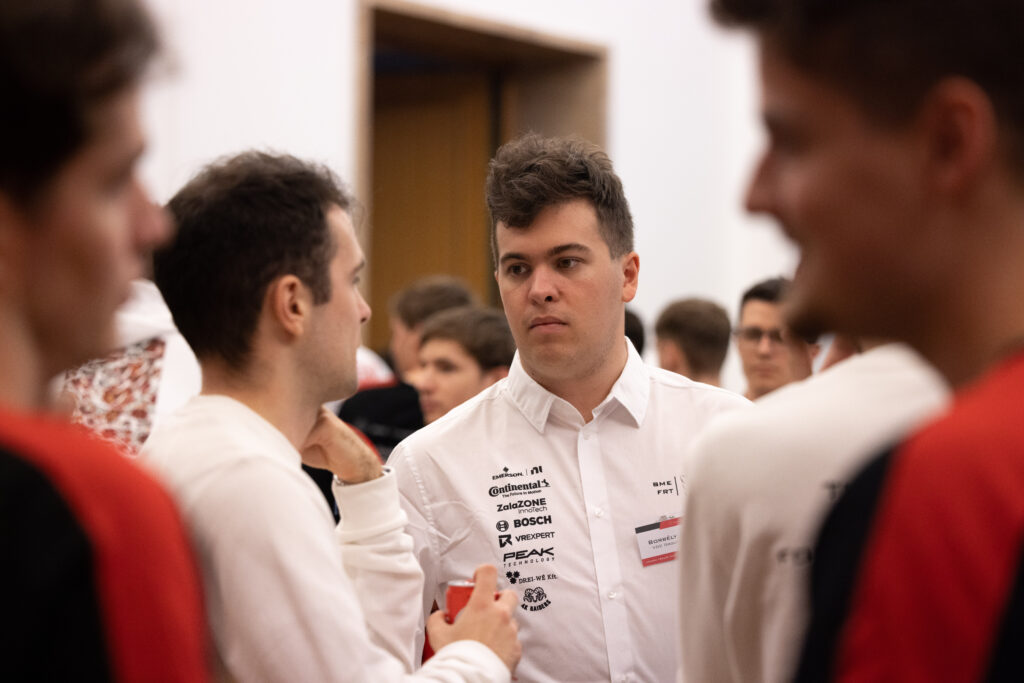
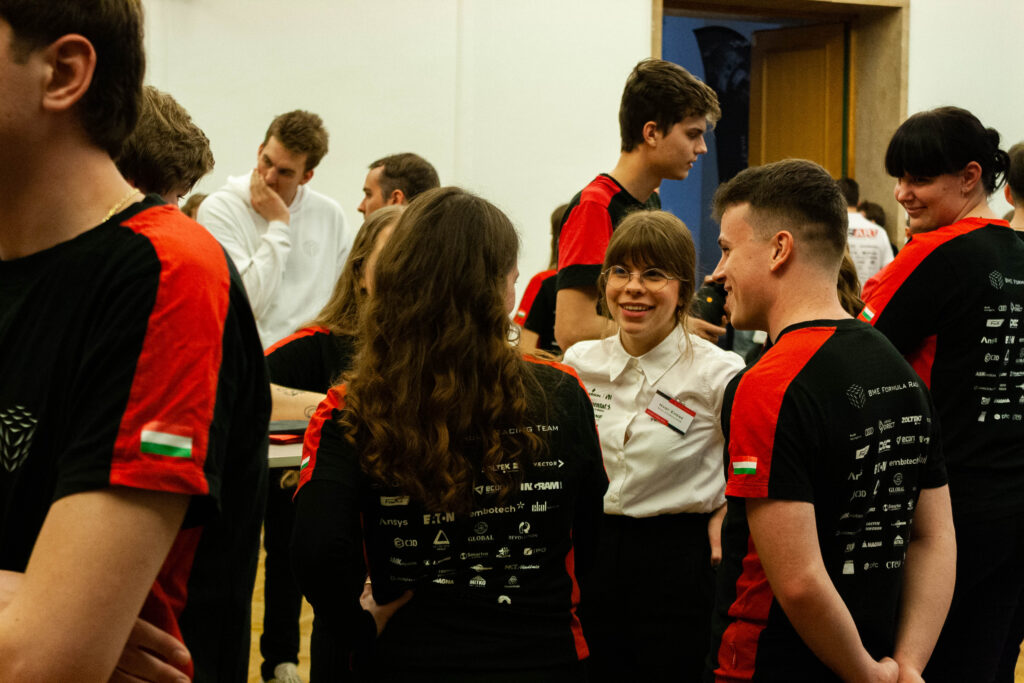
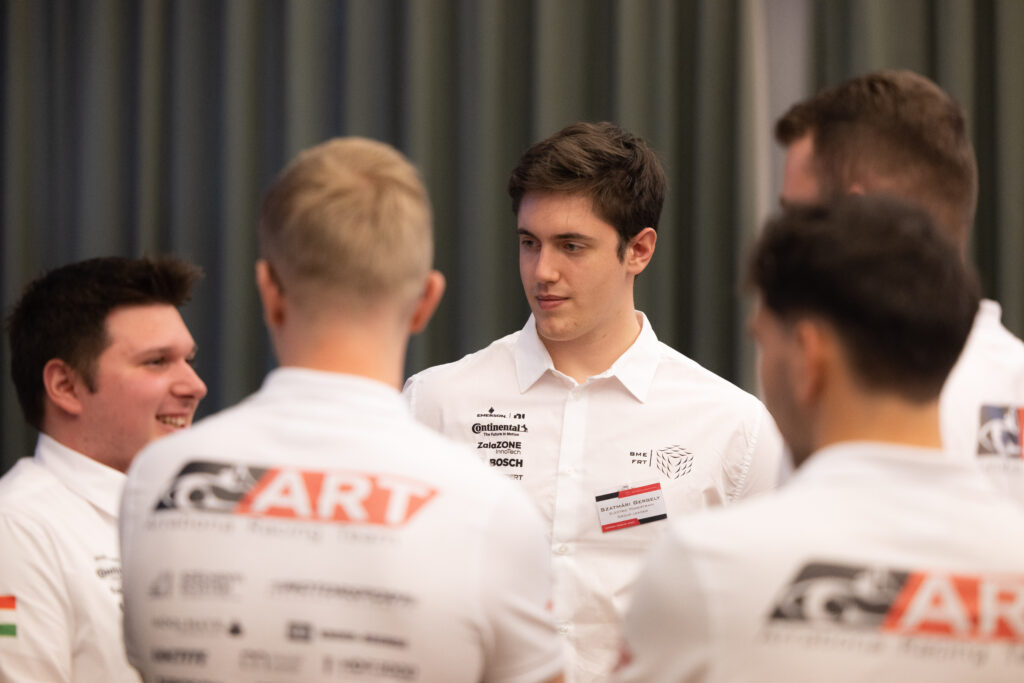
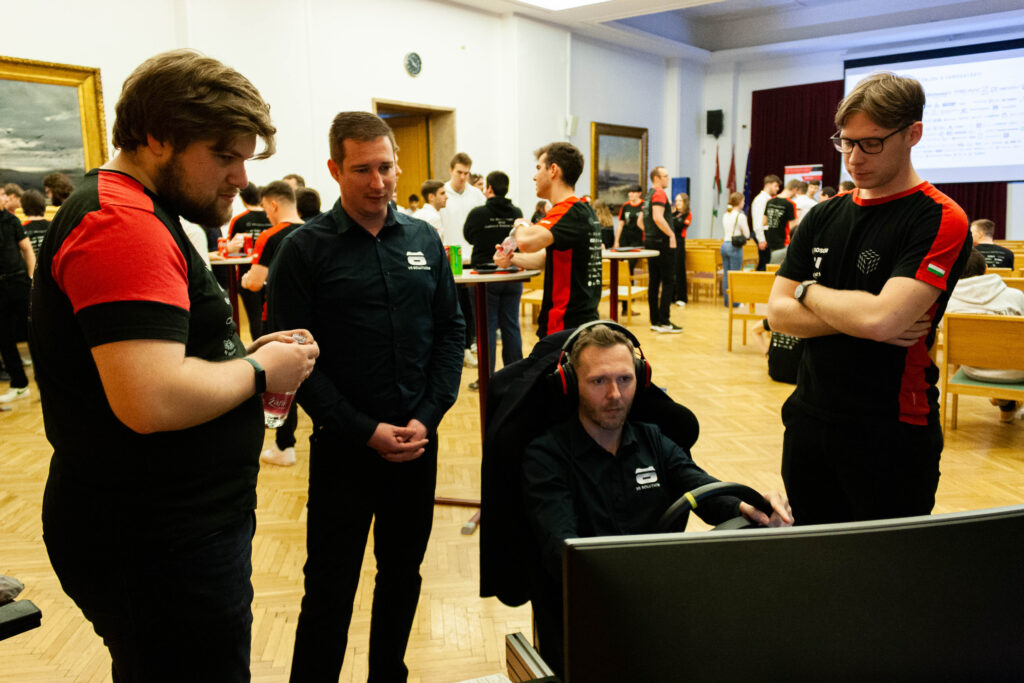
The event took place in the ceremonial hall of the BME Building K, where—after welcoming our guests—our team captain, Mátyás Pálfi, briefly explained the concept of Formula Student and its significance.
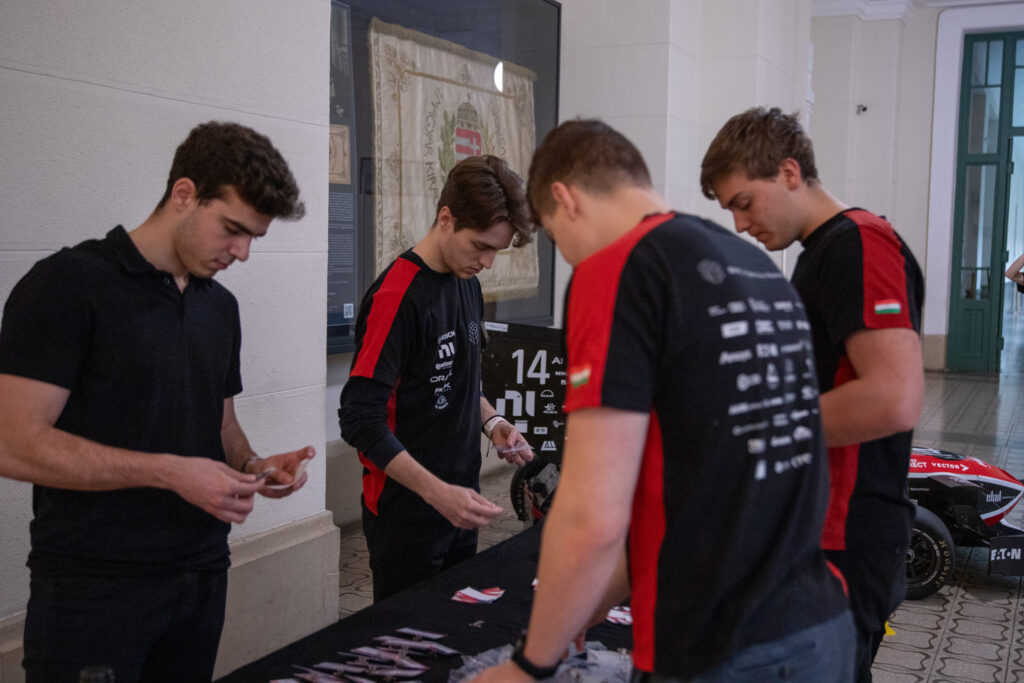
Our goal, of course, is nothing other than to surpass our previous performance and to achieve overall first place at every competition we participate in. However, this requires a well-thought-out strategy and coordinated teamwork.
During the 2025 racing season, our team will compete at three locations. Starting the series, we will first participate in the Hungarian Formula Student Easter, which is an excellent opportunity for teams to gain experience and practice the different event disciplines, helping them prepare more precisely for the main competitions. This will be followed by the also Hungary-based Formula Student East, and finally, closing our season, we will participate in the German Formula Student Germany.
The essence of our Design Freeze events is to allow those present—and those following the live broadcast—to gain insight into our plans and concepts regarding the given year’s car. This was no different this year either: our chief engineer, Péter Pácsonyi, presented our innovations and developments planned for the 2025 racing season.
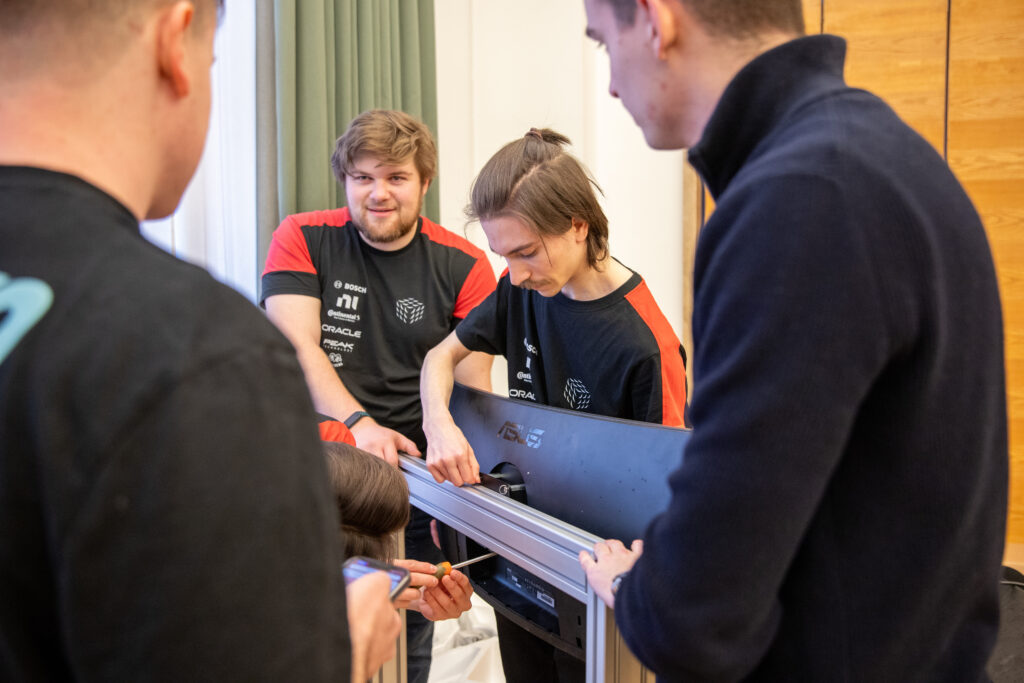
Our vehicle-level concept’s main objective is the maximization of dynamic points, which can be achieved most effectively through weight reduction, testing, aerodynamic developments, and in-house improvements.
In terms of aerodynamics, we designed a completely new concept. We focused on increasing the stability of the entire aerodynamic package.
Our experience has shown that the most downforce can be generated by maximizing ground-effect; therefore, this was our main focus during development.
The integration of the cooling system into the aerodynamic package also received significant attention during planning.

In our electronics, an important aspect was to equip the car with more sensors, as this helps us gather as much data as possible about the entire system, whether during testing or competitions.
One of the electronics system’s most important tasks is creating the interface between machine and human. Thanks to this, we will be testing a new steering-wheel-mounted display (DASH) during our season, which will support the driver better in handling the car.
Keeping reliability in mind, we supplemented our circuits with several types of protection, and to safely verify this, we integrated additional measurement points into the system.
Regarding the accumulator, we will use a new cell type that has already been tested previously. This will result in significant weight reduction due to its higher energy density; however, dissipation also differs significantly, so we will integrate this year’s accumulator into the car with air cooling.
In terms of the electric powertrain, our other major development is our own motor controller (Caesar), which is much smaller and lighter than its predecessors.
We redesigned the kinematics of our vehicle’s suspension, aiming to create a more responsive and dynamic car. Stability and validation testability also played an important role. We modified the placement of the springs; they are now aligned parallel to the vehicle’s axle.
Stiffness was an important aspect when designing the steering system, as it is essential for the vehicle to operate with minimal play and deformation. We paid special attention to serviceability, and the proper integration of the autonomous system also played an important role. To satisfy this requirement, we integrated the autonomous actuator into the steering system as well, allowing us to switch more quickly between manual and autonomous modes.
Changes were also made to the braking system. The valves of the autonomous brake system underwent significant size reduction, enabling us to install a more easily accessible pedal box into the car. Our self-developed front brake calipers performed extremely well last season. Following their example, we will replace the rear ones this year as well, improving the reliability of our braking system. Keeping ease of service in mind, we ensured during design that the braking system can be bled easily.
We are preparing numerous innovations and developments for the 2025 racing season; however, a long road still lies ahead before our plans can be realized. The completed concept phase and design period have now been followed by the manufacturing phase. As the last components arrive in our workshop, the assembly period will begin, during which we will start to put together our race car’s subsystems. After the car's shakedown, the testing period will begin, followed by the long-awaited competitions.
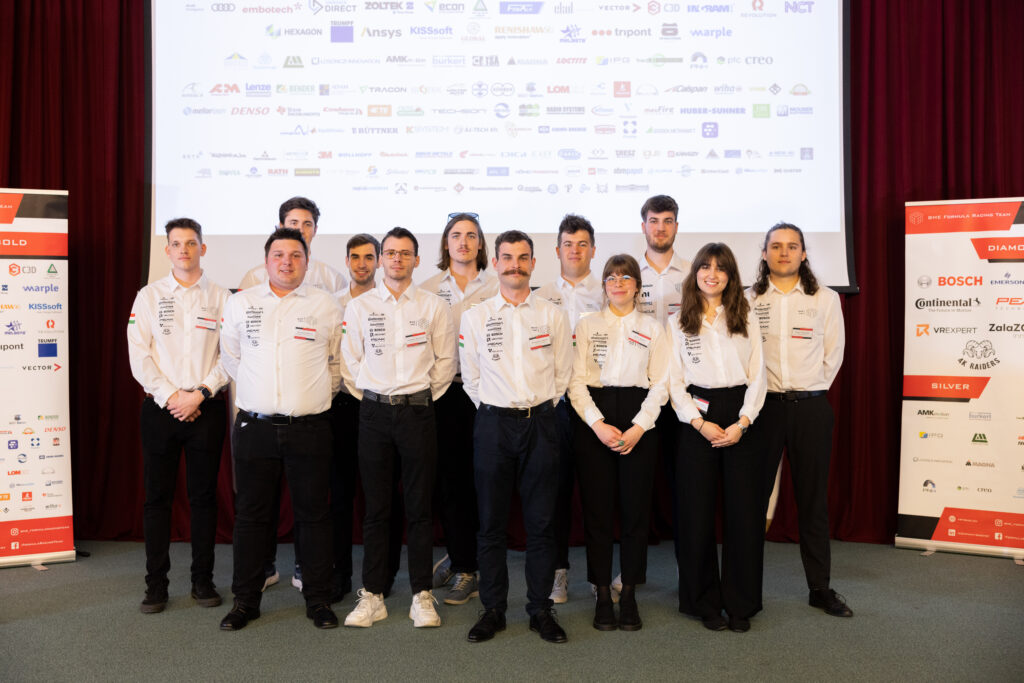
We owe gratitude to our supporters, as—similar to previous years—we are receiving tremendous help and support again this season! We look forward to continuing our collaboration in the future.
If you missed our live broadcast and would like to rewatch our Design Freeze event, you can do so at the following link: LIVE BROADCAST